POSTED JULY 2026
The Enduring Value of Cast Street Lighting
Spring City is among a small group of manufacturers that continue to utilize traditional casting processes in the production of street lighting, and more notably, one of the few still doing so in the United States. In an industry that has largely shifted toward fabricated and extruded components, this commitment to casting represents both a technical advantage and a dedication to craftsmanship.
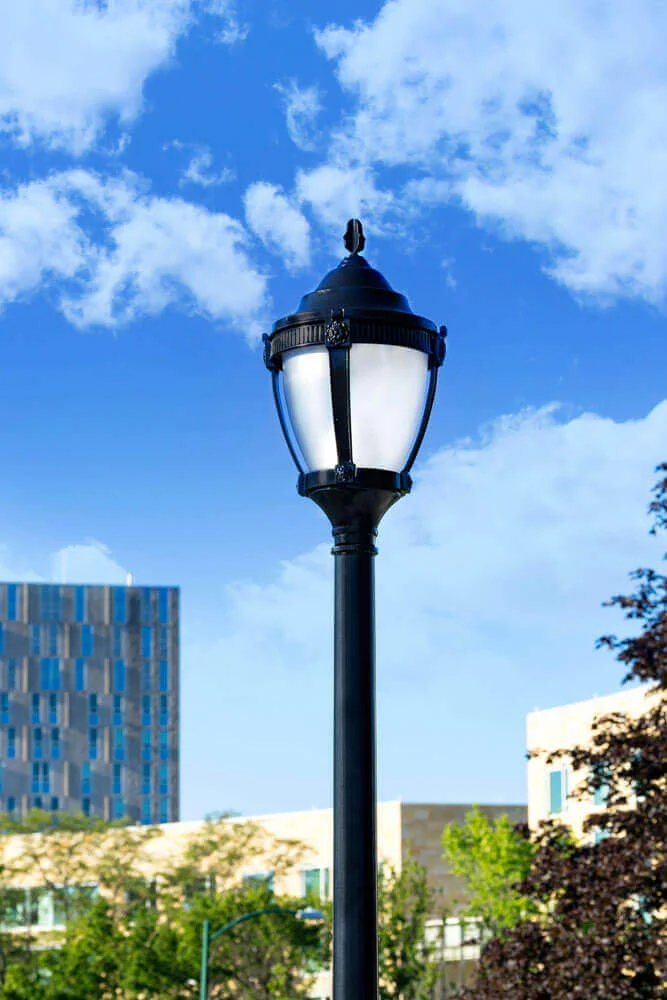
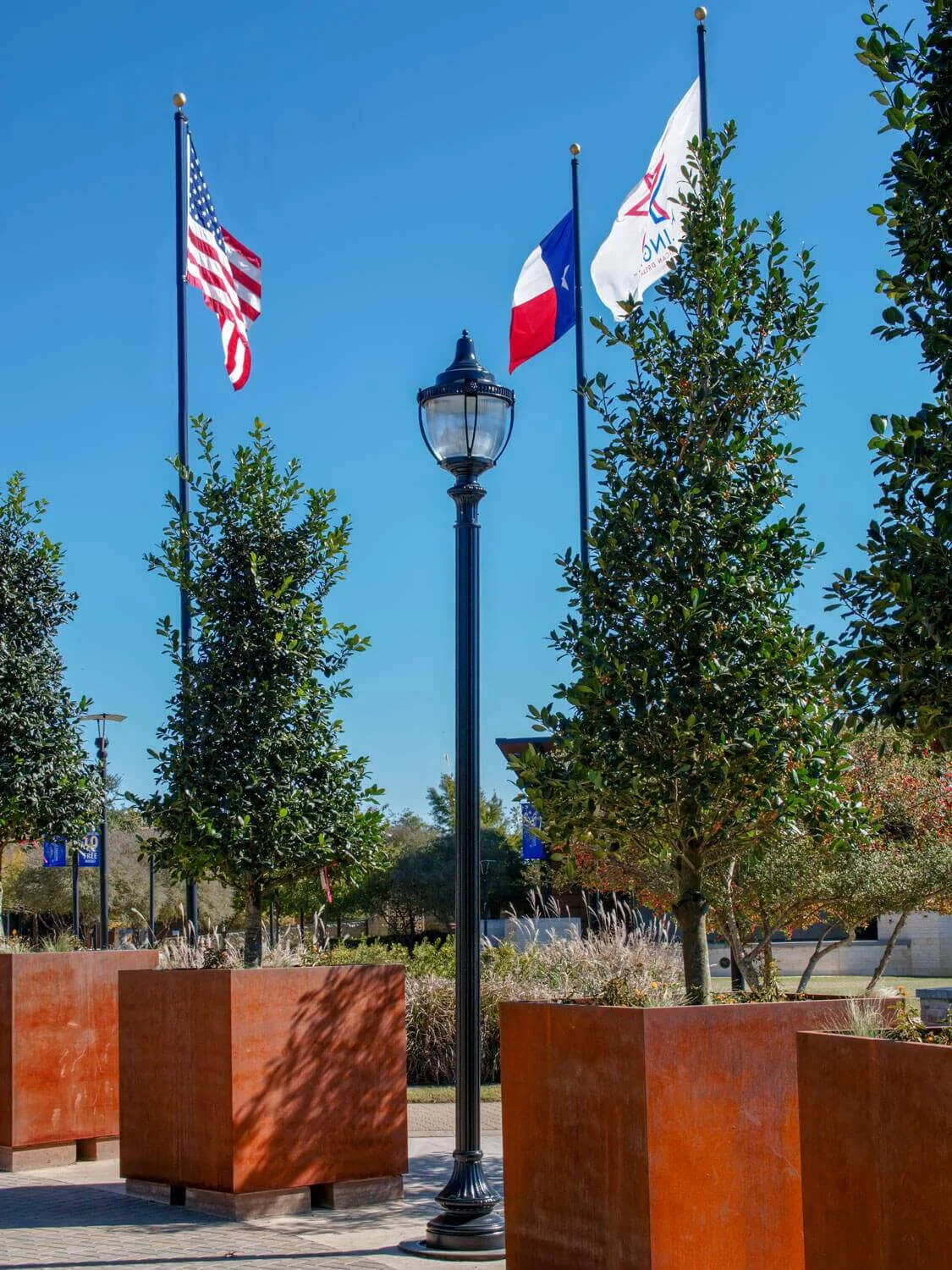
Why Choose a Cast Product?
The difference begins with the process. Spring City employs a loose piece molding method, a more labor-intensive approach than modern alternatives. While this requires greater skill and time, it allows for a level of intricacy and dimensional detail that is difficult to replicate with fabricated steel or aluminum poles. Decorative elements, complex geometries, and historic reproductions are all made possible through this traditional technique.
Beyond aesthetics, cast products, particularly those made from ductile iron, offer substantial structural benefits. Ductile iron is known for its strength, durability, and impact resistance. Compared to many fabricated poles, cast ductile iron structures are better equipped to withstand high winds, environmental stress, and the wear of time. This resilience often translates into a longer service life and reduced need for replacement, ultimately lowering the total cost of ownership over decades of use.
Function Meets Art
What sets cast lighting apart is not just performance, it’s character.
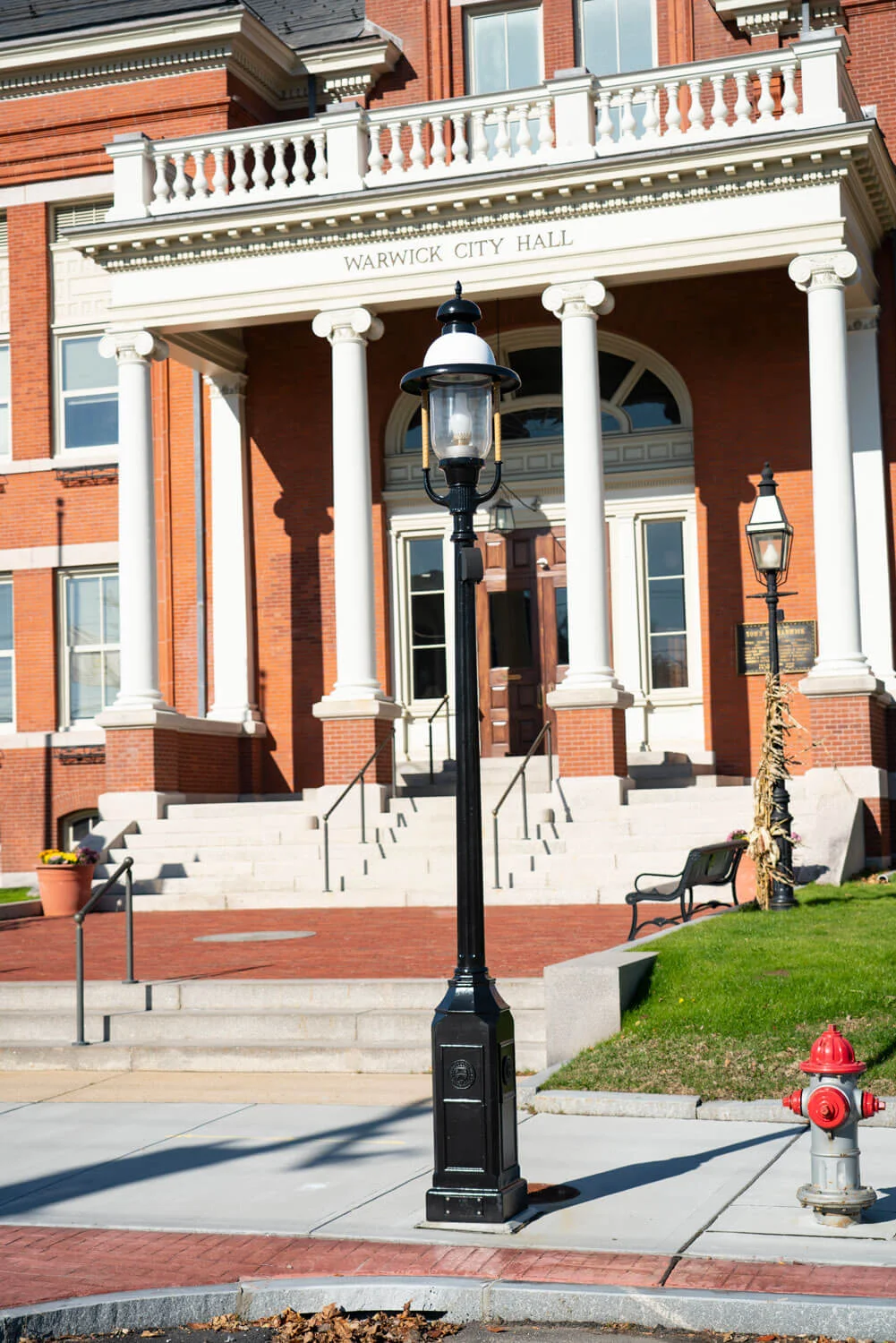
Each cast component carries subtle variations inherent to the process. These are not defects, but signatures of craftsmanship. The result is a streetscape that feels less manufactured and more human. While each pole may belong to the same product family and appear uniform at a glance, no two are truly identical.
Spring City lighting transforms infrastructure into functional art. A street lined with cast poles becomes more than a passageway, it becomes an environment with texture, depth, and personality. These slight variations reflect the individuality of the communities they serve, reinforcing a sense of place that mass-produced alternatives often lack.
A Lasting Investment in Place
Choosing cast lighting is not simply a design decision, it is an investment in longevity, identity, and quality. For municipalities, developers, universities, and planners seeking to create spaces that endure both structurally and aesthetically, cast products offer a compelling and time-tested solution.